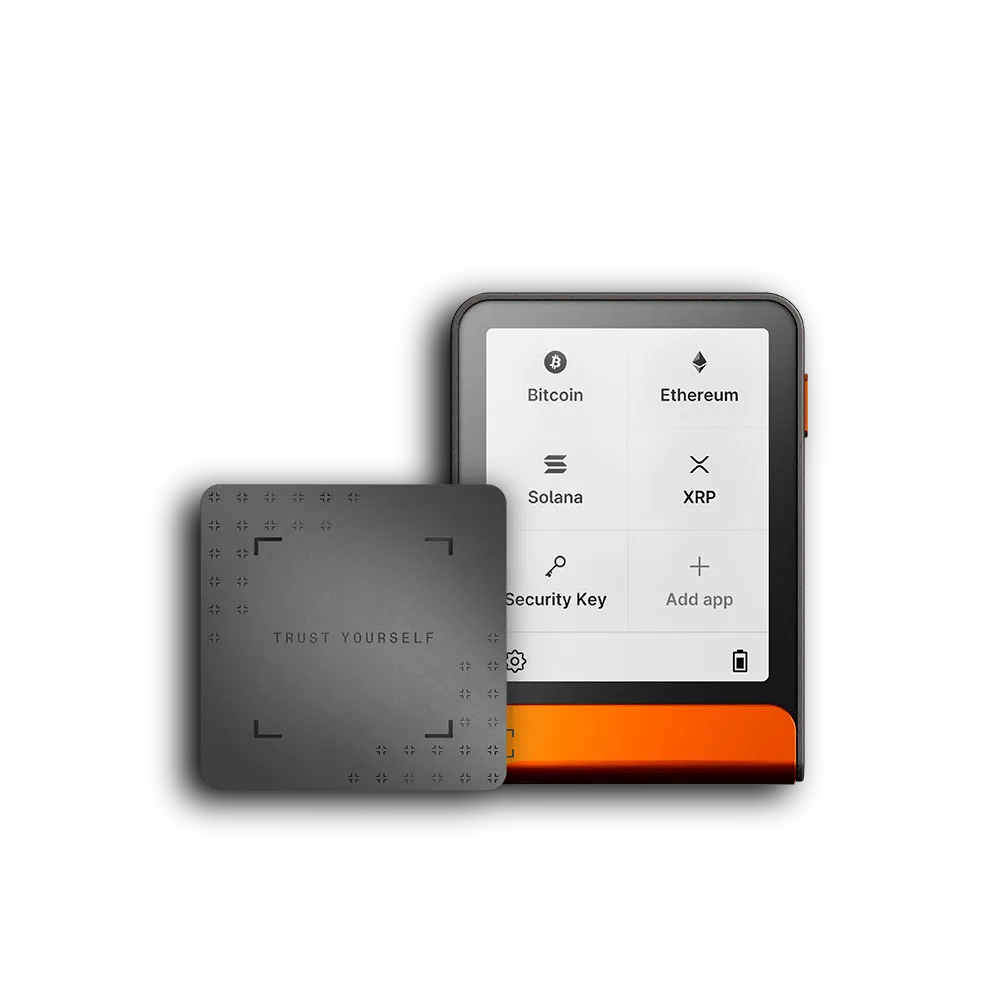
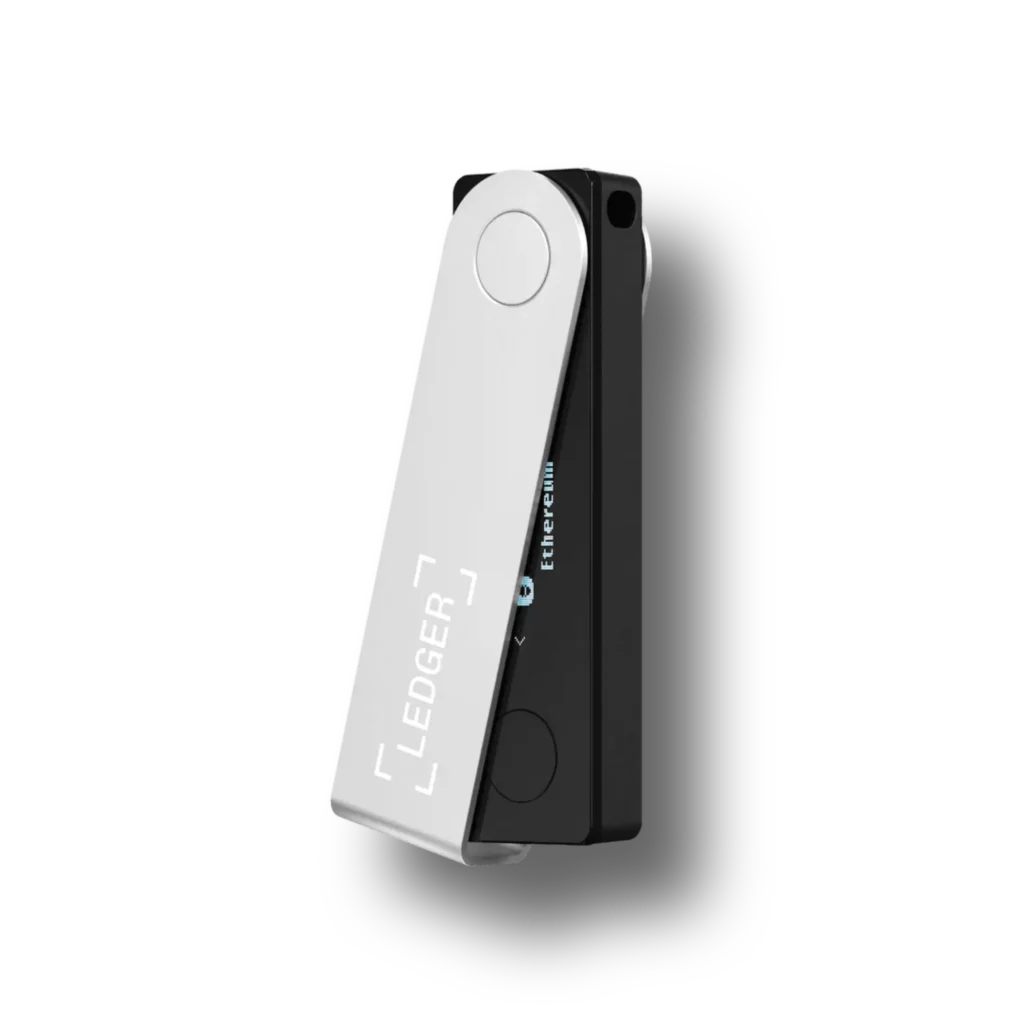


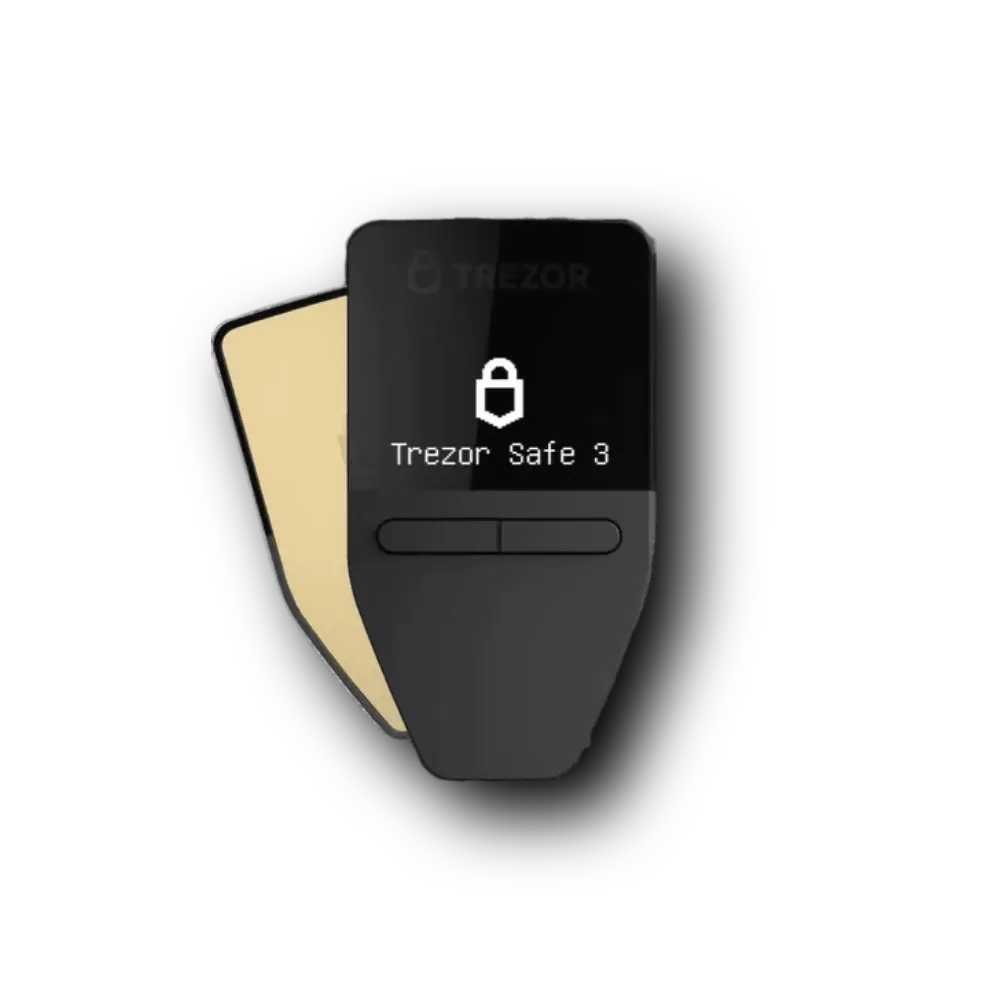
Lagi banyak orang Malaysia masuk crypto sekarang, tapi lagi banyak juga yang lupa satu benda penting: Where you keep your crypto matters as much as what you buy.
If your coins are still sitting on an exchange app, you’re basically trusting a third party to keep your money safe. And in 2026, with scams, hacks, and exchange shutdowns becoming more common, that’s a risk a lot of investors are no longer willing to take.
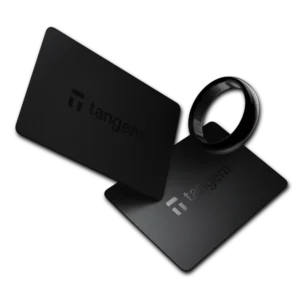
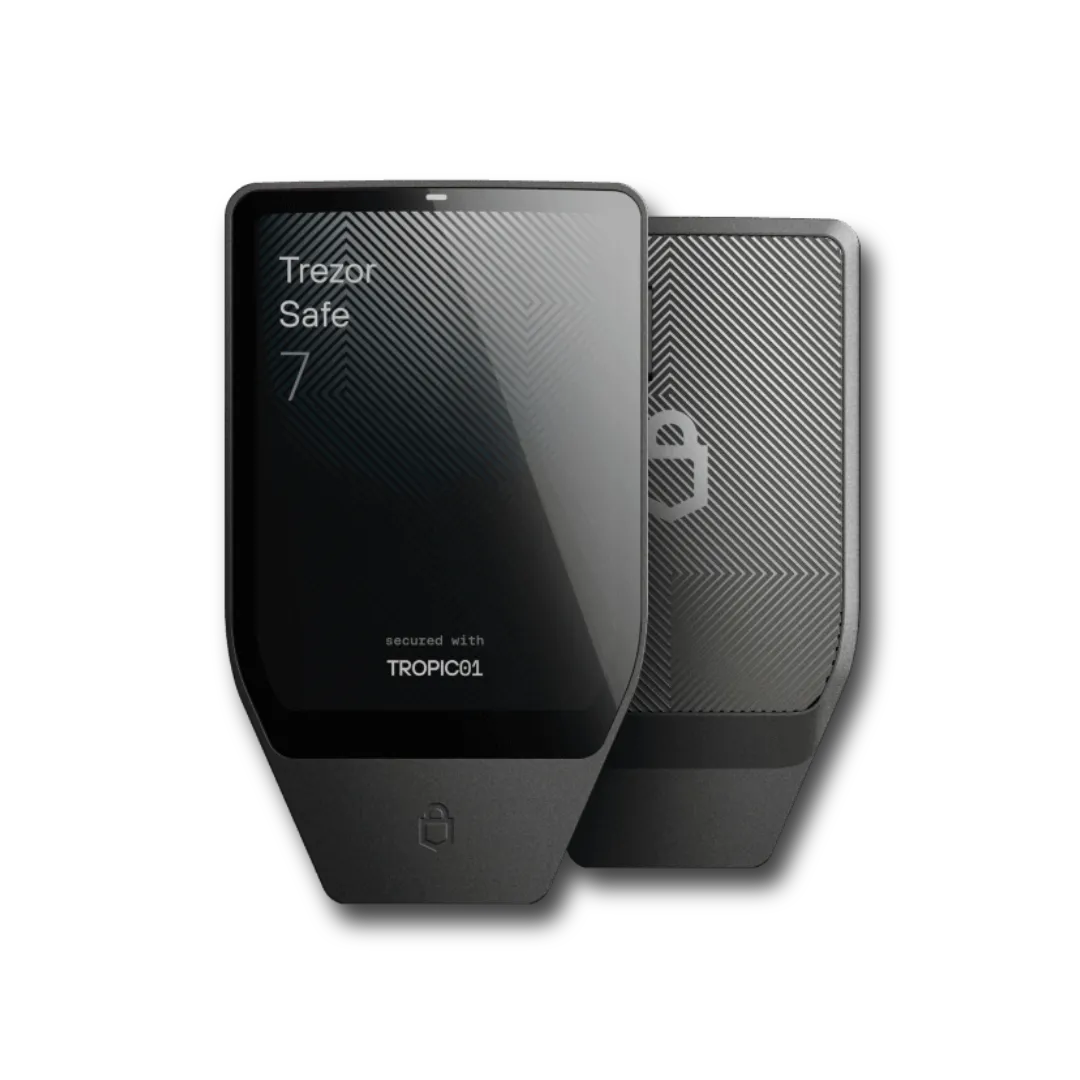
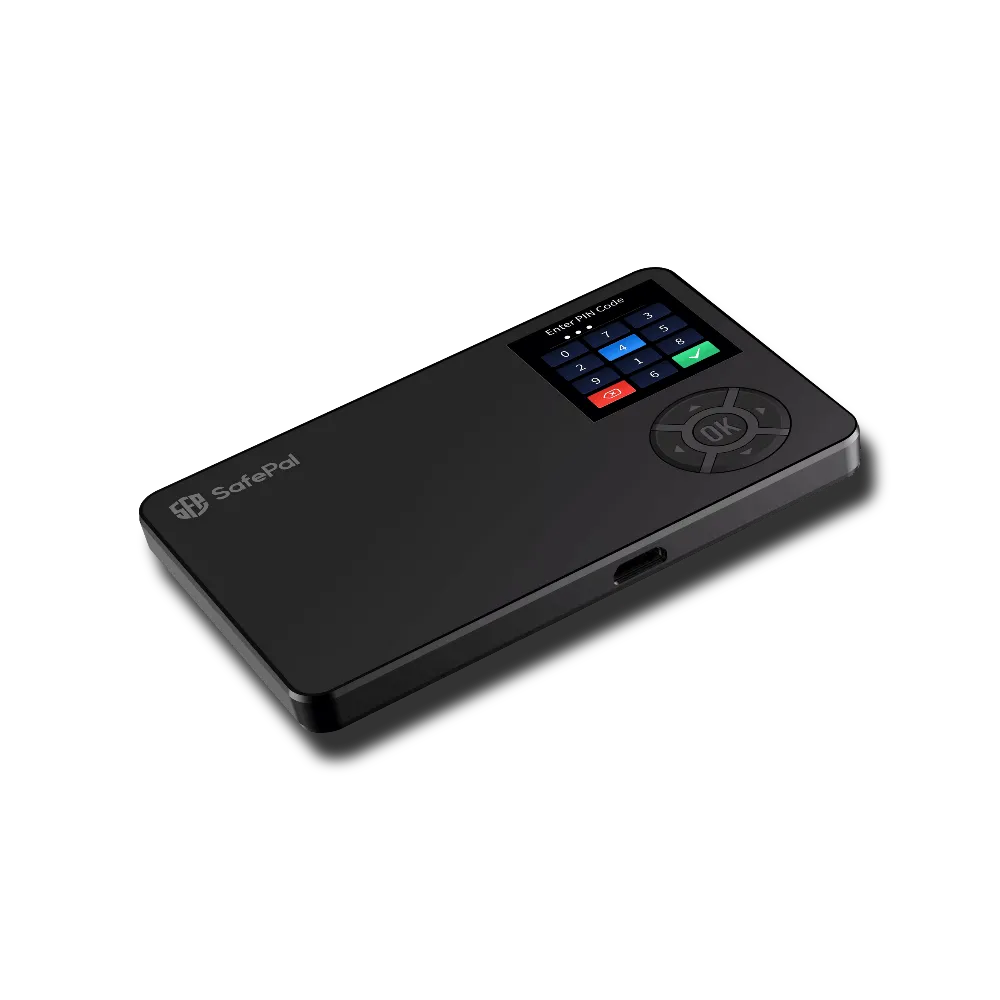
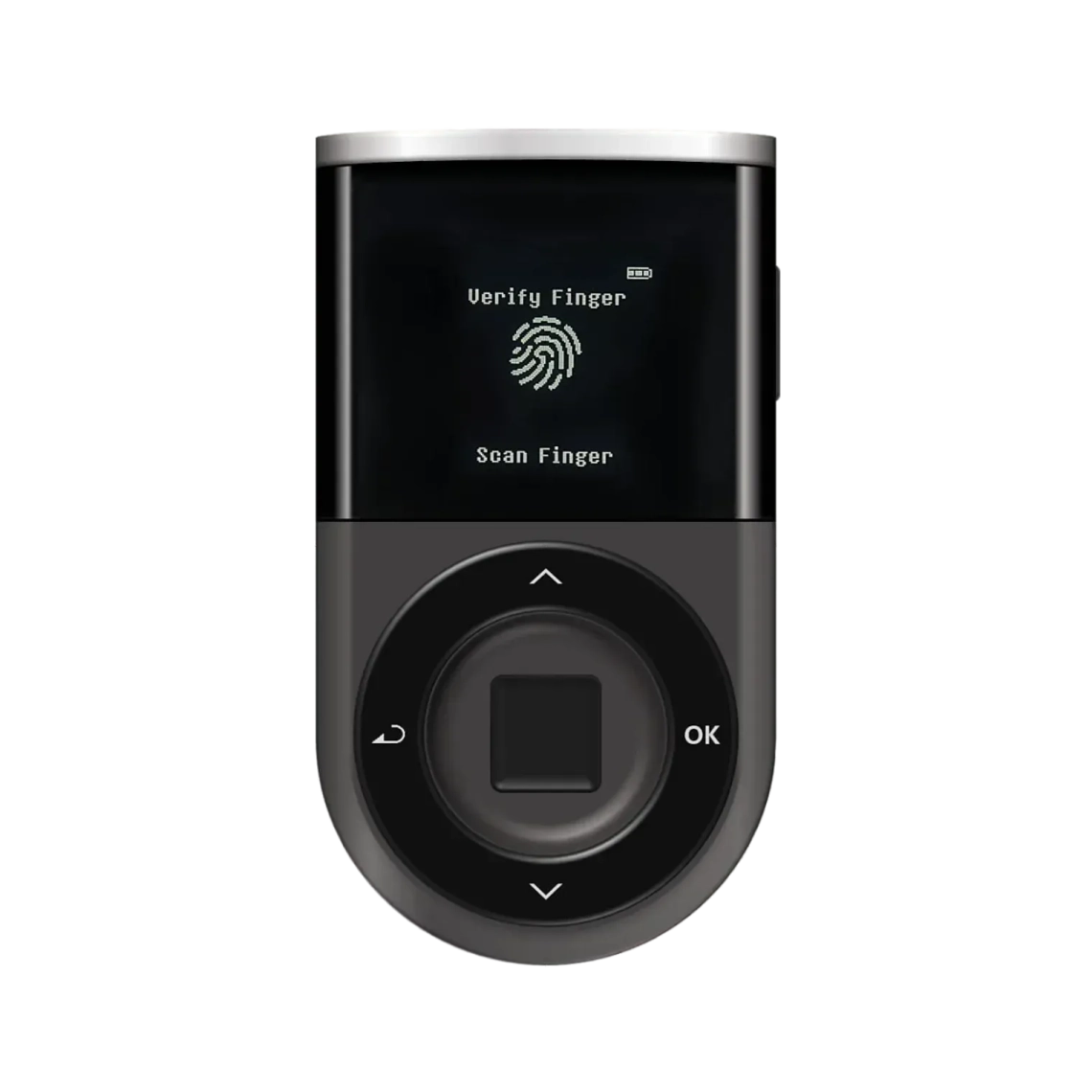
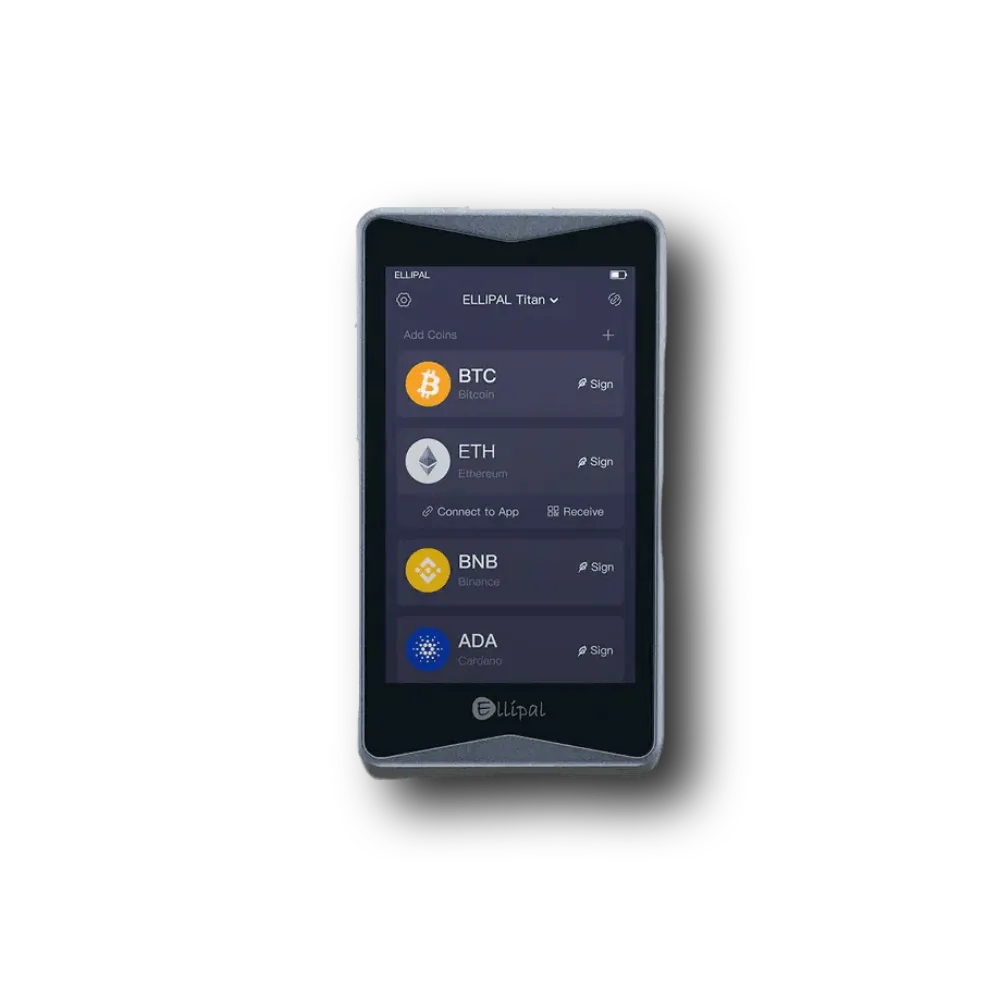
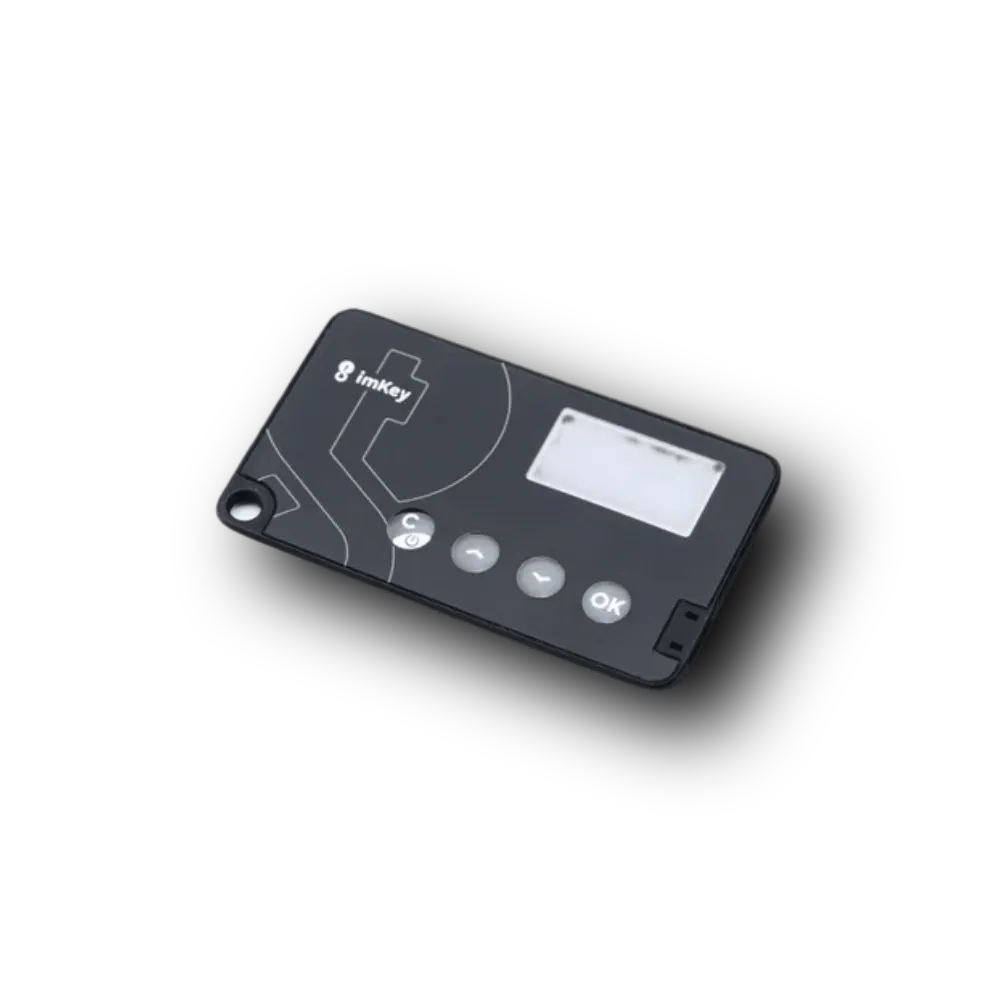
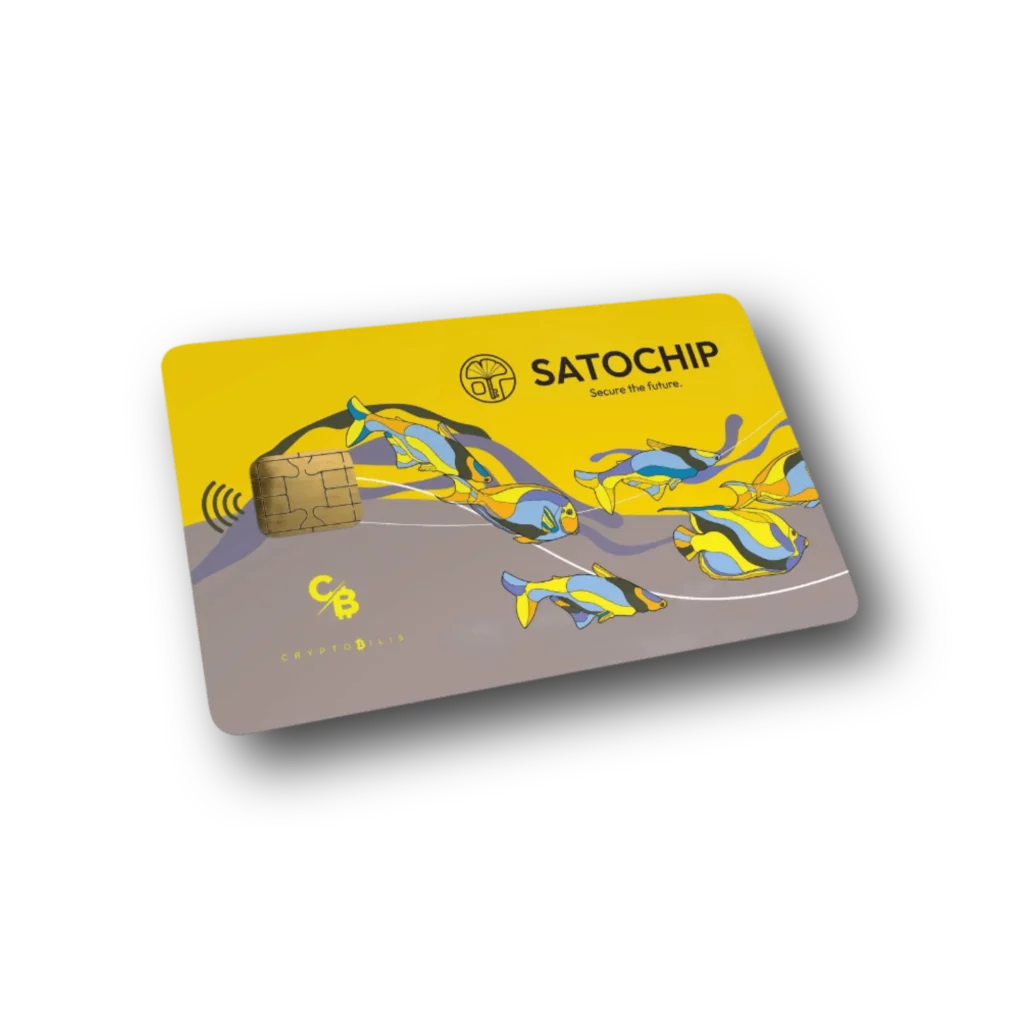
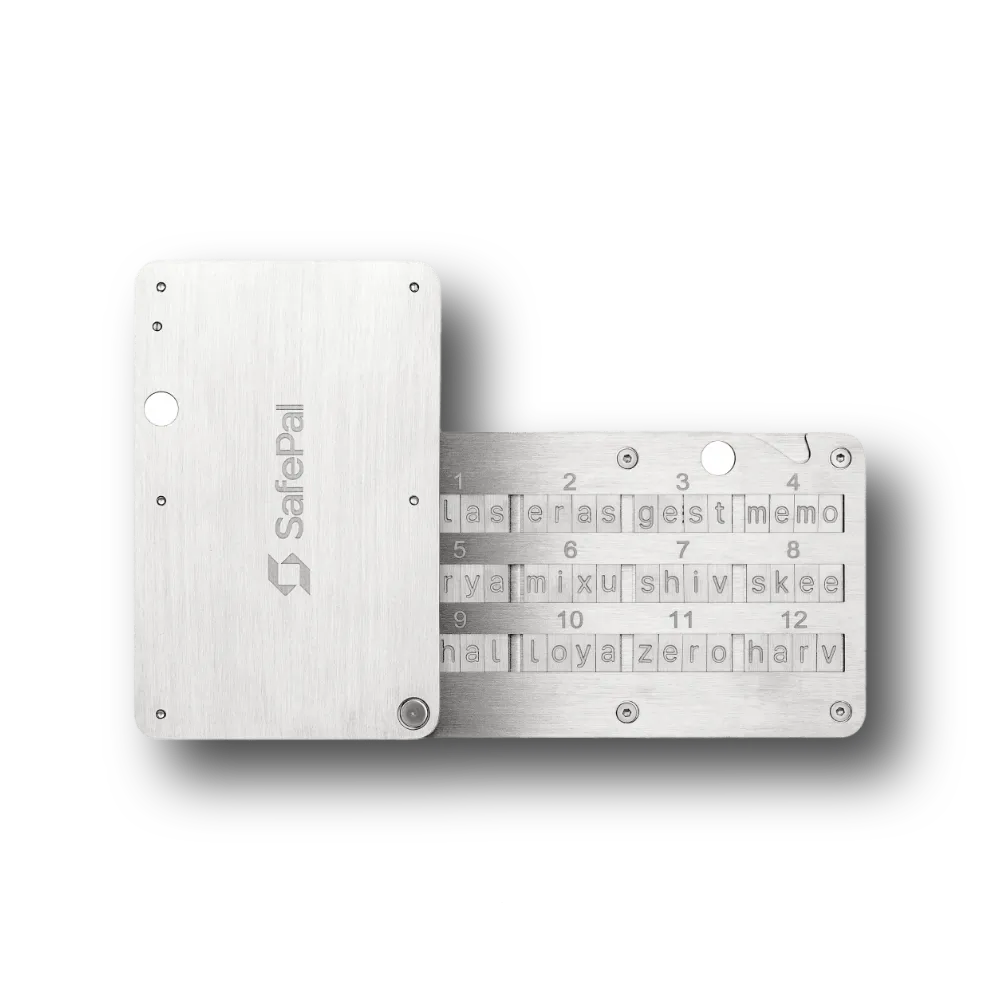
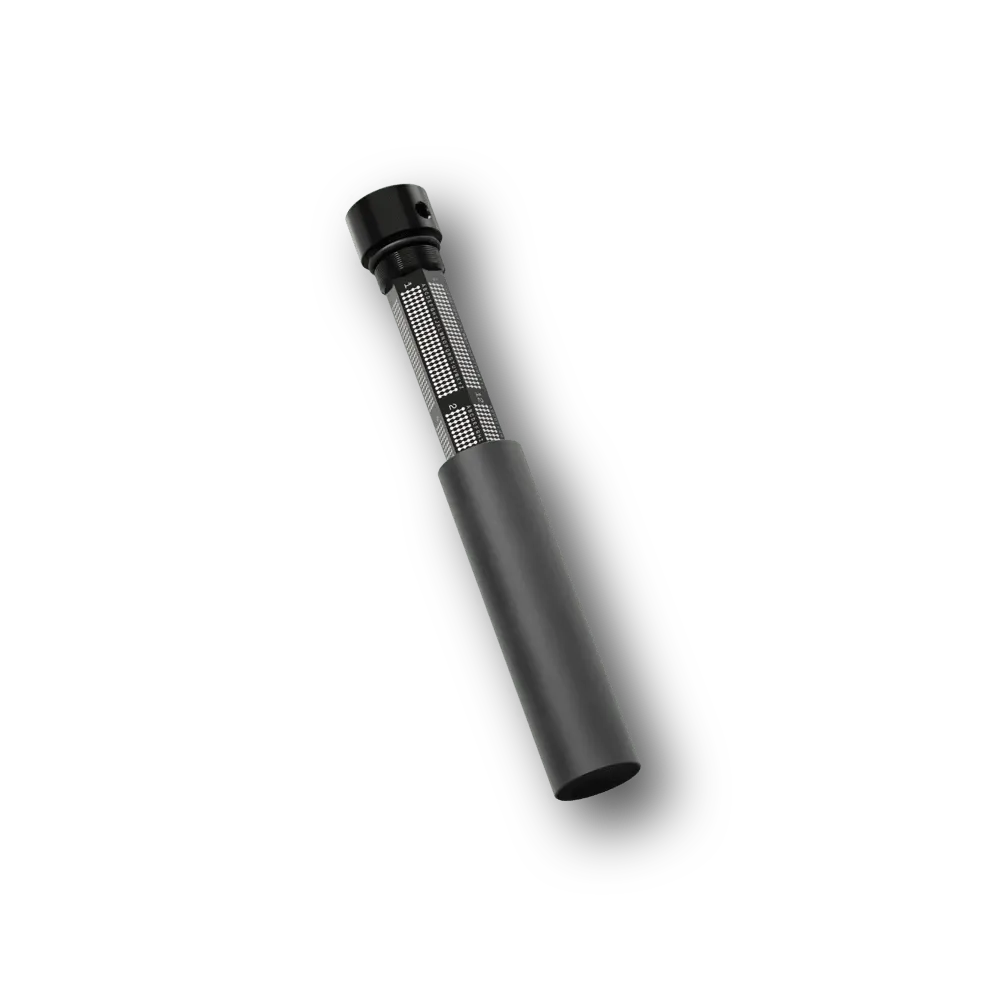
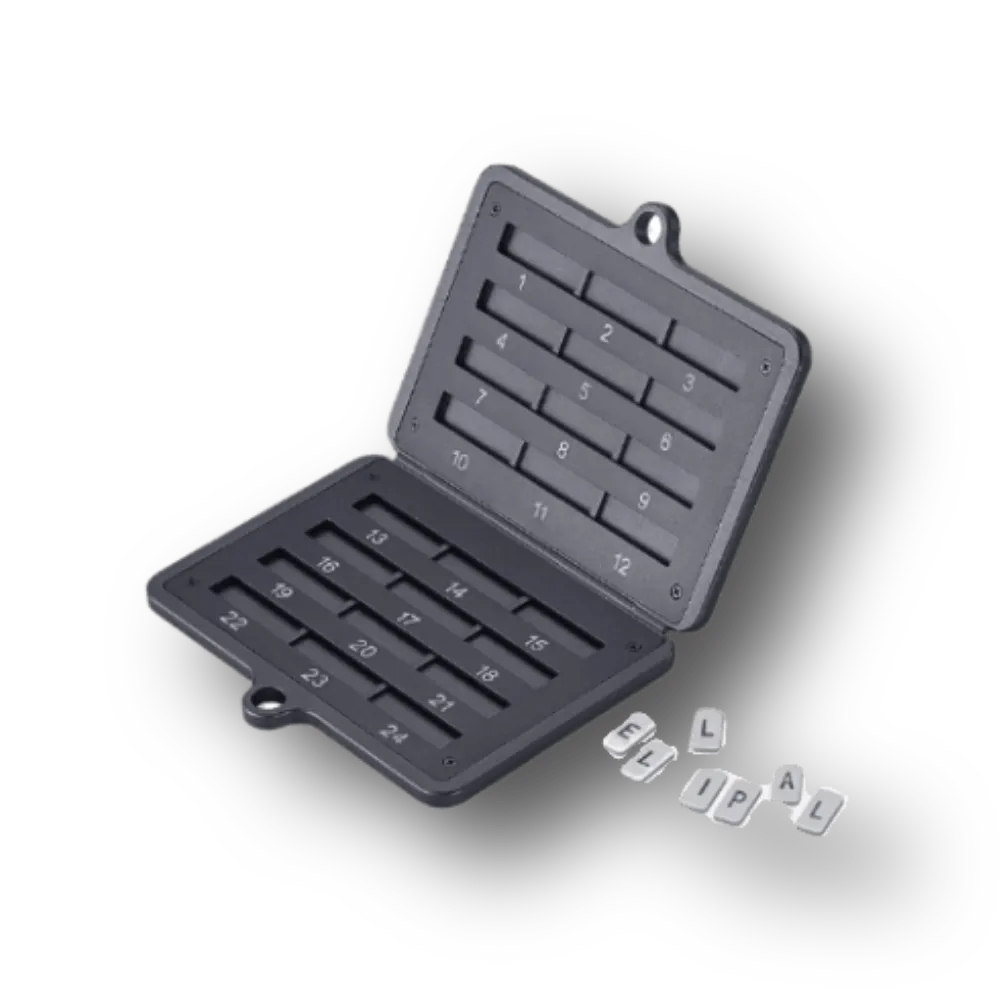
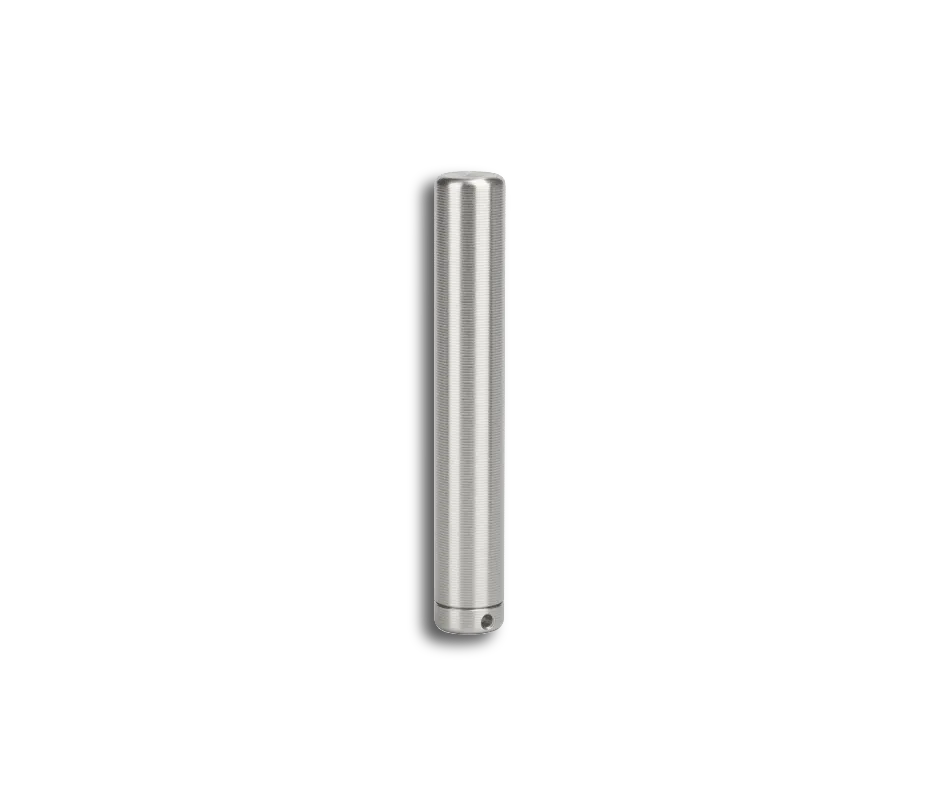
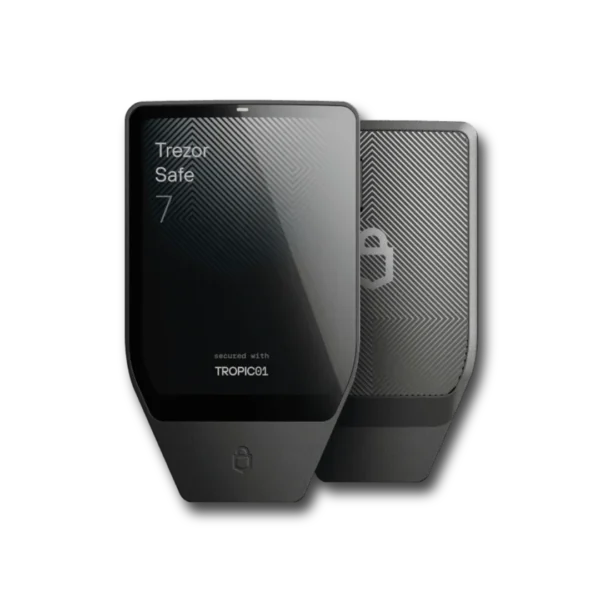
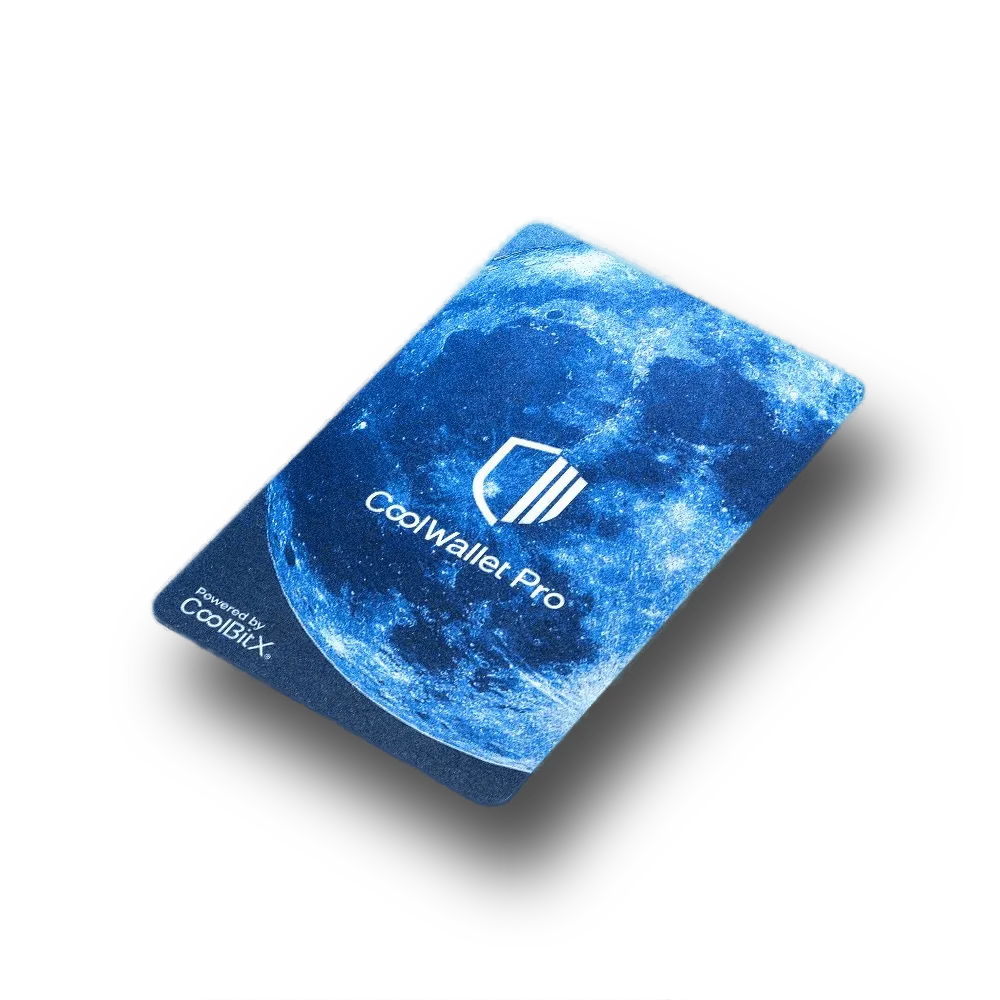
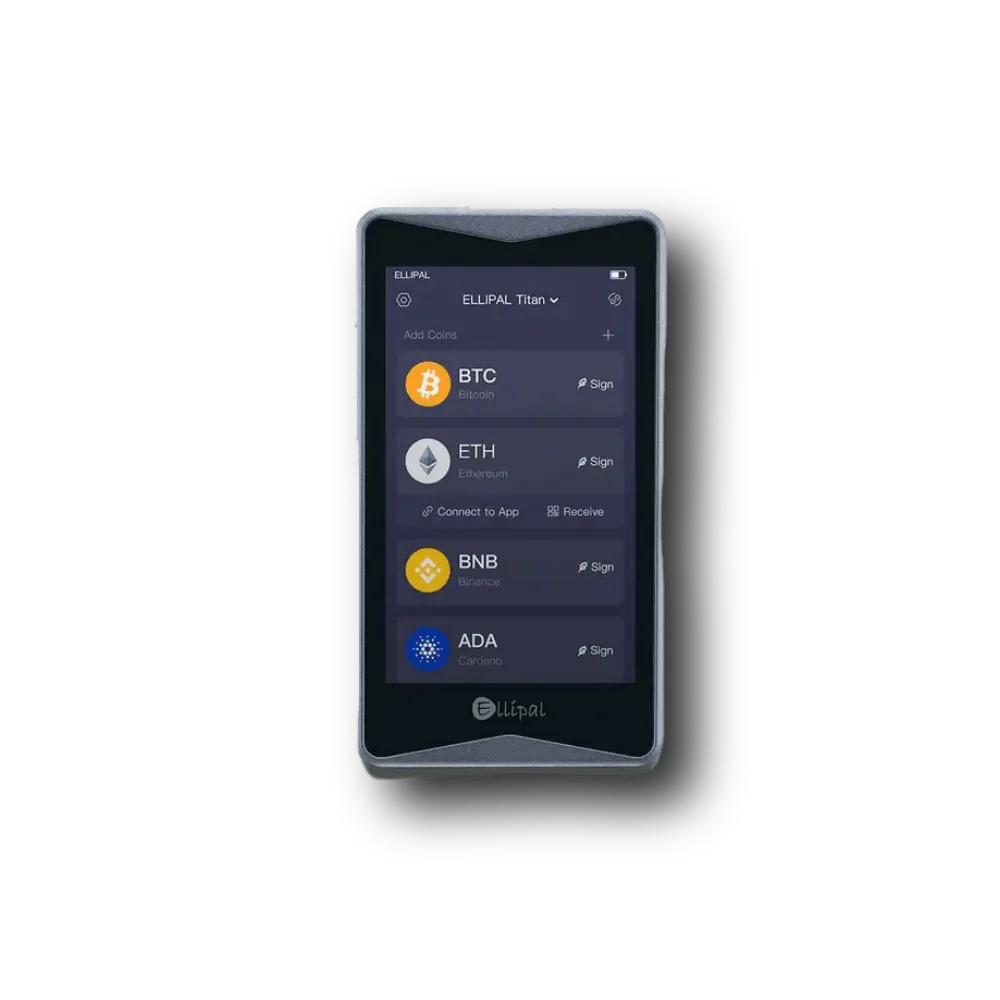
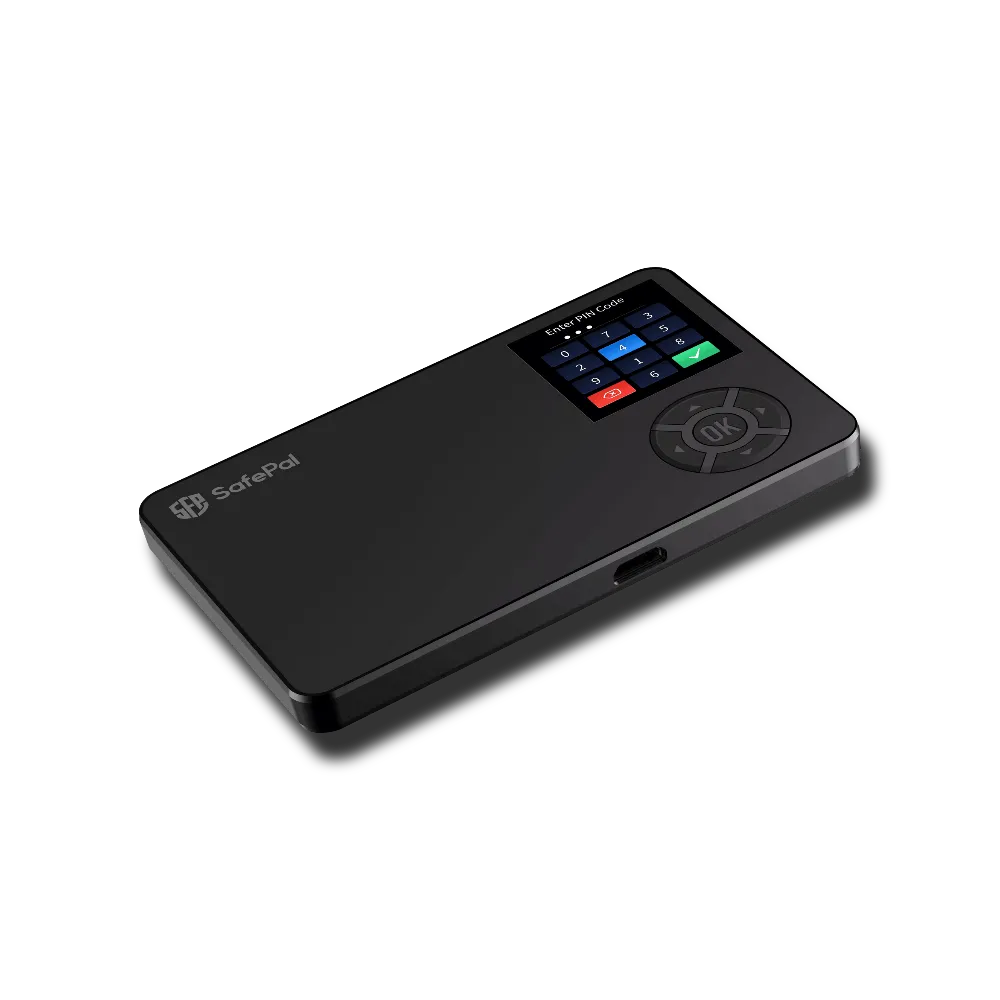
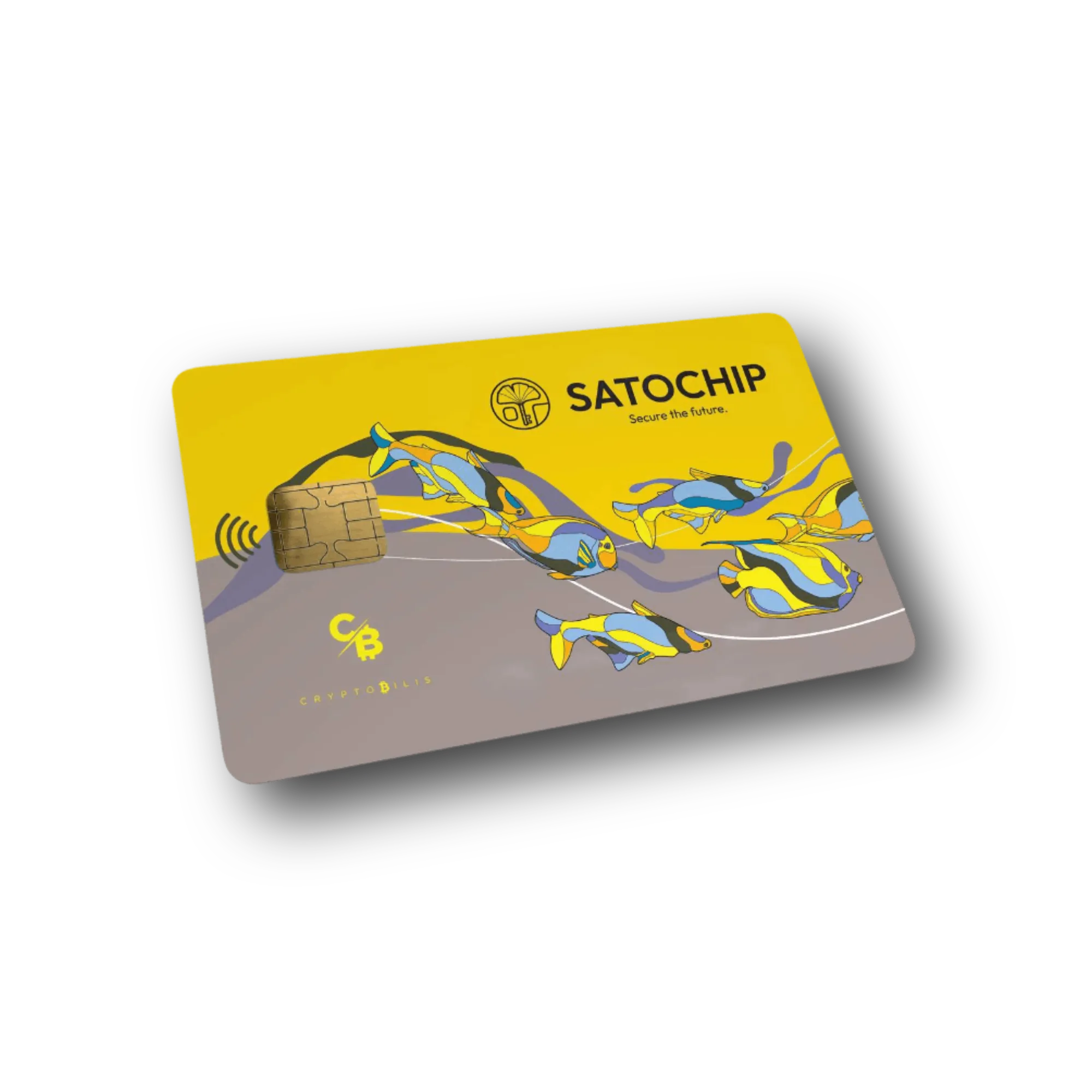
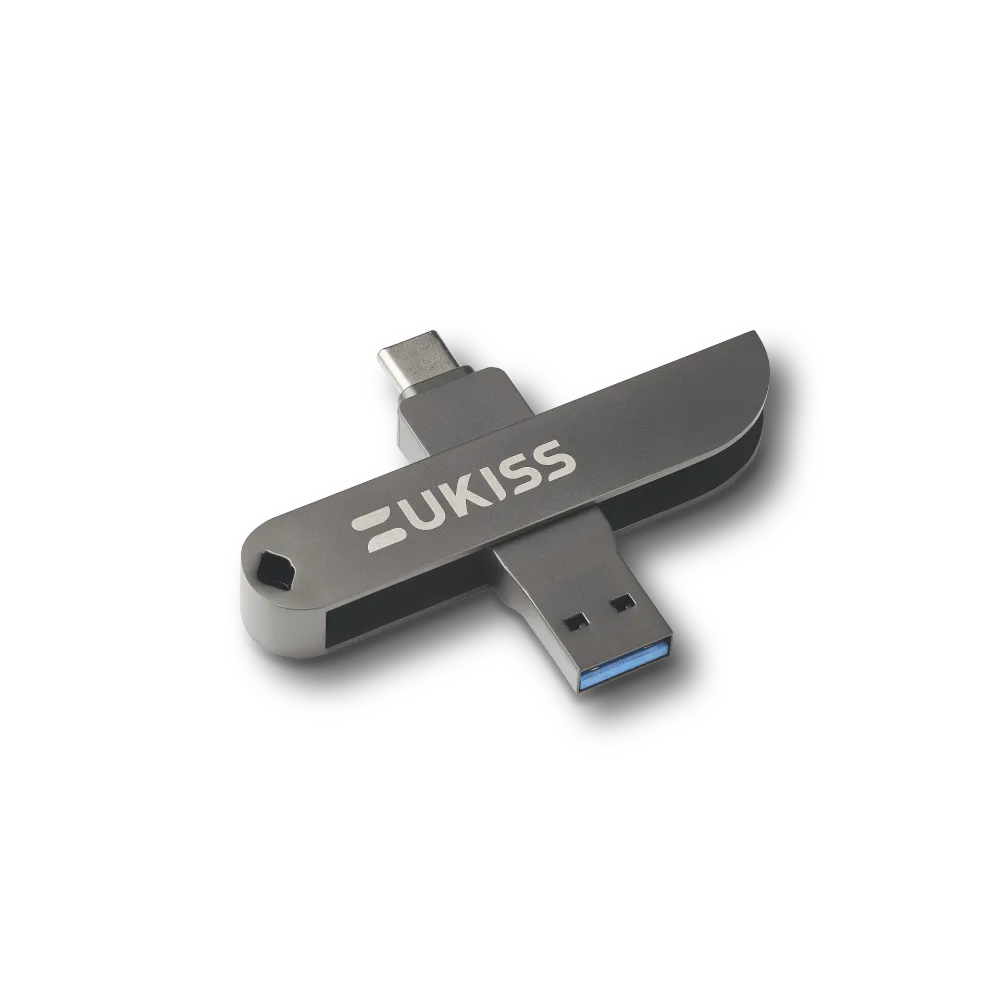
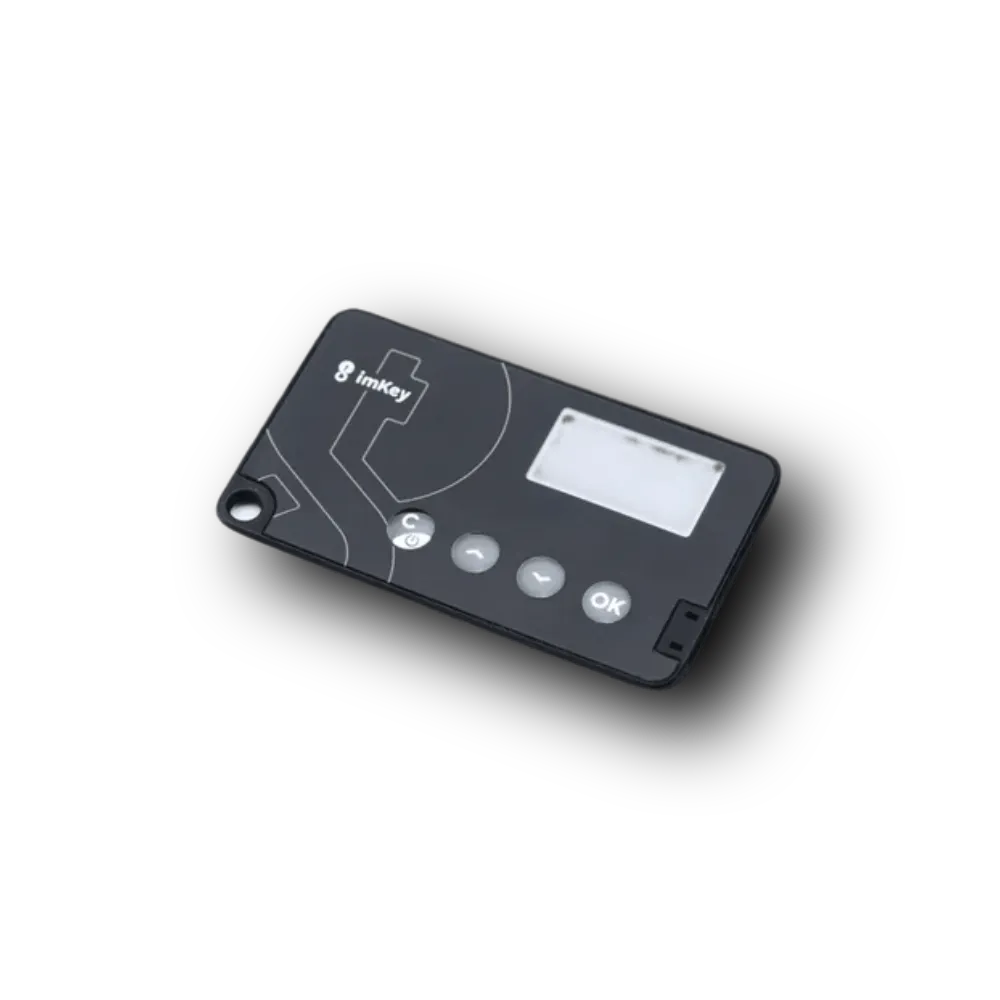
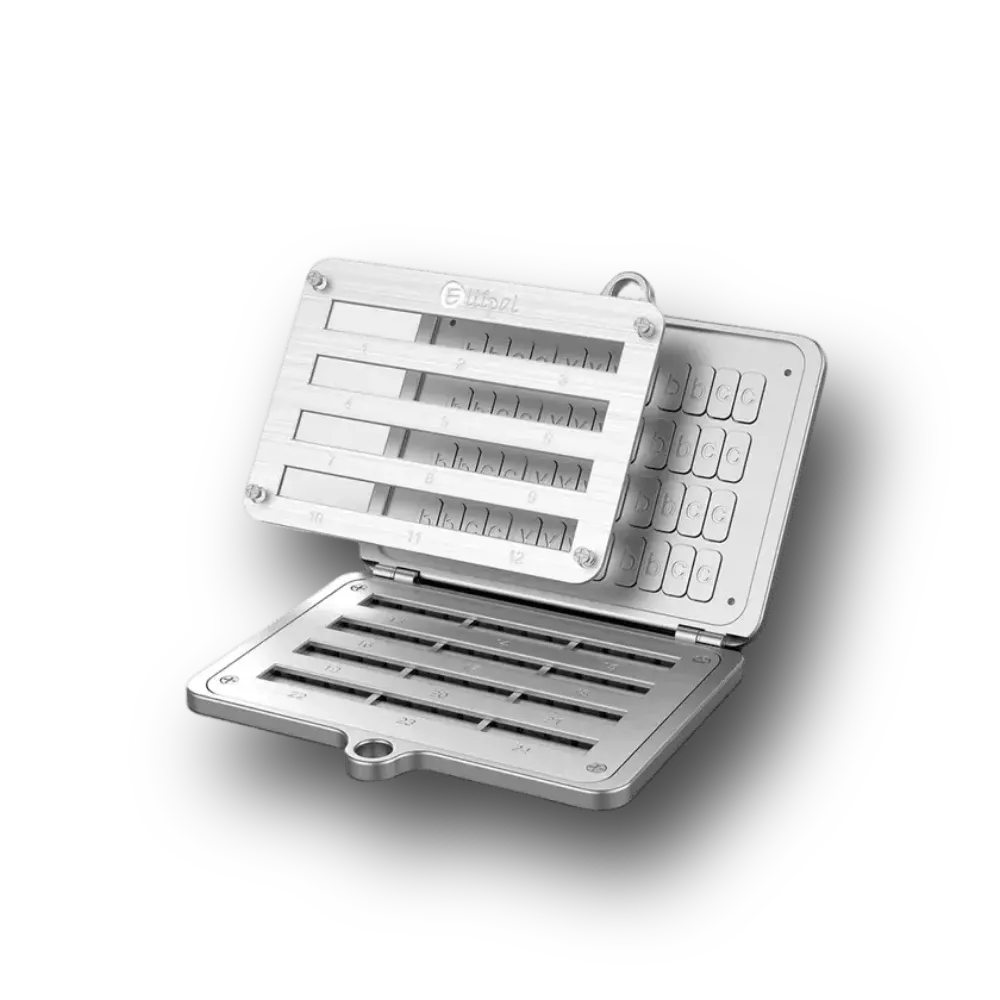
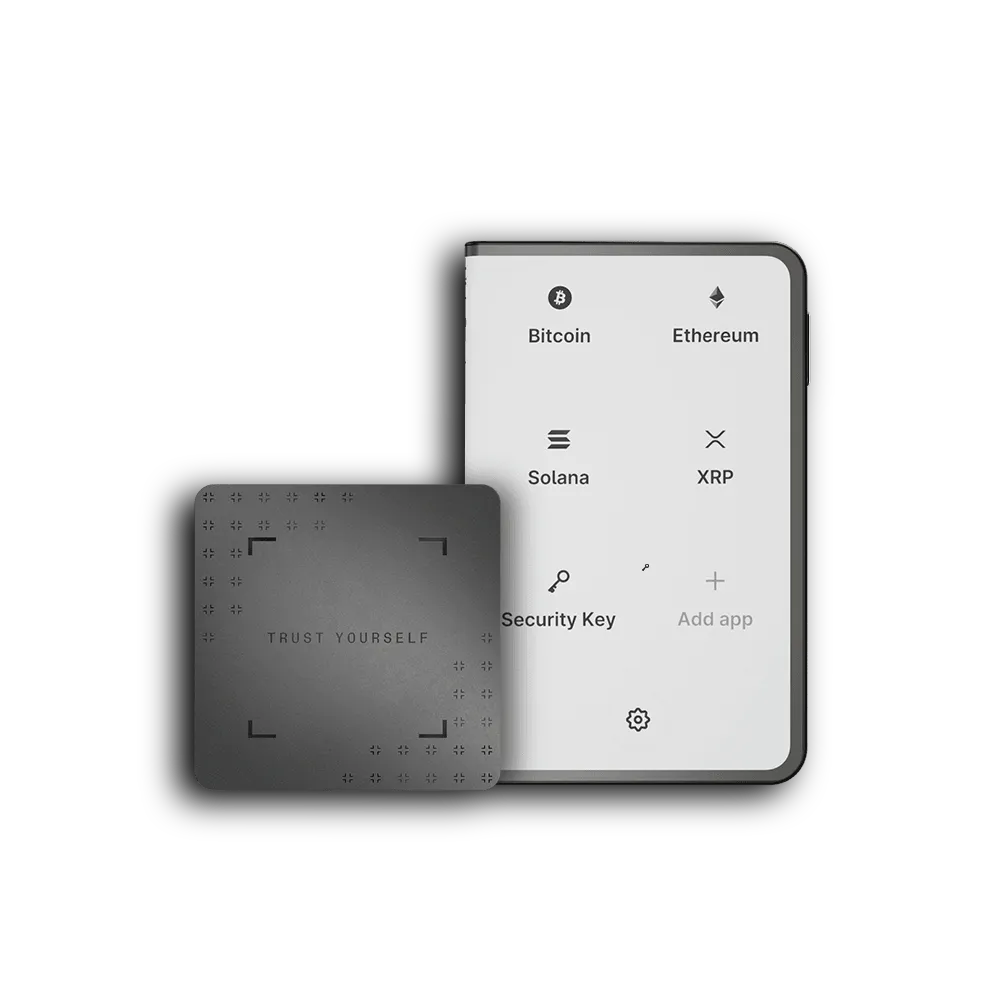
Enter cold storage, also known as a hardware wallet. It’s a small physical device that keeps your private keys offline, away from hackers, malware, and anyone else who isn’t you. Think of it like a digital safe you can hold in your hand.
Here are 5 solid reasons why more Malaysians are making the switch this year.
1. Exchange Hacks Are Still Happening
Even big-name exchanges get hacked. It’s not a “maybe” anymore — it’s a “when.” When an exchange gets compromised, user funds can be frozen, stolen, or locked for months during investigations.
With cold storage, your crypto isn’t sitting on someone else’s server. It’s secured by a private key that only you control. No exchange, no middleman, no single point of failure that hackers can target.
Senang cerita: kalau exchange kena hack, your funds outside the exchange tak terlibat sama sekali.
2. “Not Your Keys, Not Your Coins”
This phrase gets thrown around a lot in crypto circles, but it’s true. When you store crypto on an exchange, you don’t actually hold the private keys — the exchange does. That means technically, they have control over your assets, even if your name is on the account.
Cold storage flips this. The private keys live on your device, not on a company’s database. You become the sole custodian of your funds — which is the whole point of decentralized finance in the first place.
3. Protection From Phishing and Malware
Phishing scams are getting more sophisticated, especially in Malaysia where scam links via WhatsApp and Telegram are common. Fake exchange websites, cloned apps, and malicious browser extensions can drain a hot wallet (a wallet connected to the internet) in seconds.
A hardware wallet requires physical confirmation for every transaction. Even if a scammer gets your login details, they can’t move your funds without physically pressing a button on your device. This extra step blocks most remote attacks completely.
4. Long-Term Holders (HODLers) Don’t Need Constant Access
If you’re someone who buys and holds for the long run (not trading every day) there’s really no reason to keep large amounts on an exchange. Frequent access actually increases risk, since every login is a potential point of exposure.
Cold storage is built for this. You can store your crypto safely for months or years, only connecting the device when you need to make a transaction. It’s the digital version of keeping your savings in a bank vault instead of carrying it around in your wallet daily.
5. Full Control During Uncertain Times
2026 has seen its share of regulatory changes, exchange restrictions, and unexpected platform issues across the region. When exchanges face technical or legal trouble, withdrawals can be paused — sometimes for days or weeks.
With cold storage, your access isn’t tied to any platform’s uptime, policies, or legal status. As long as you have your device and recovery phrase, your crypto is accessible to you, full stop. That kind of independence is becoming more valuable every year.
Time to Take Control of Your Crypto
Switching to cold storage isn’t about being paranoid, it’s about being prepared. As more Malaysians get serious about crypto in 2026, protecting your investment the right way isn’t optional anymore, it’s basic practice.
Ready to make the switch? Browse our range of trusted hardware wallets at CryptoBilis.com and take the first step toward truly owning your crypto — safely, securely, and on your own terms.
References
Chainalysis. Crypto Crime Report.
Ledger. Why Hardware Wallets Are Safe.
Trezor. Cold Storage Explained.
Securities Commission Malaysia. Investor Guide to Digital Assets.
Investopedia. Hot Wallet vs Cold Wallet: What’s the Difference?